Transport
- Home
- Transport
Importance of School Transport
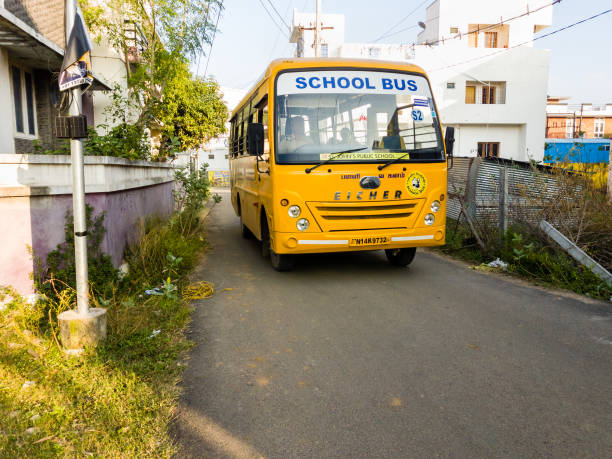
School buses and vans are designed to provide a secure and comfortable journey for students. These vehicles are equipped with safety features such as seat belts, GPS tracking, and speed limit controls to ensure student safety. Additionally, trained drivers and attendants ensure that children are picked up and dropped off at designated locations responsibly.
A well-organized school transport system helps in reducing traffic congestion near school premises, as fewer private vehicles are required for student drop-offs. This also lowers fuel consumption and contributes to a cleaner environment.

Benefits of School Transport
- Safety: School buses follow strict safety regulations, reducing the risk of accidents compared to private transport.
- Convenience: Parents can save time and effort as they do not need to drive their children to school.
- Cost-Effective: Using shared transport is often more affordable than personal vehicles.
- Eco-Friendly: Fewer cars on the road mean reduced pollution and a lower carbon footprint.
- Social Interaction: Students get an opportunity to interact with their peers, fostering friendships and social skills.
Improving School Transport
Many schools are adopting advanced tracking systems to provide real-time updates to parents about their child’s location and safety. Future improvements may include electric school buses, enhanced safety measures, and smarter traffic management to make school transport even more efficient and eco-friendly.
Overall, school transport is an essential service that ensures students travel securely while promoting sustainability and convenience.